Tim Willson is chief scientist of the SGC-UNC, an open-discovery network for protein kinases based at the UNC Eshelman School of Pharmacy. He has more than 25 years of experience in pharmaceutical research with a track record in discovery of first-in-class clinical candidates. Throughout his career, Willson has been an advocate for research on pioneer drug targets. He led the Glaxo program on orphan nuclear receptors that uncovered their role in regulation of human metabolism and was co-discoverer of obeticholic acid, a breakthrough medicine for liver diseases targeting FXR. Willson has been a long time supporter of precompetitive chemistry in early drug discovery and was a scientific founder of the SGC Epigenetic Chemical Probes project. He is widely recognized for scientific leadership in chemical biology and was named one of the world’s 400 most influential biomedical researchers. Outside of science, Willson enjoys the challenge of long course triathlons and has completed six Ironman 70.3 distance races.
Willson has been a long-time supporter of precompetitive chemistry as a mechanism to bring innovation to early drug discovery. His team has made potent and selective chemical probes for orphan nuclear receptors widely available in the scientific community. He was a scientific founder of the SGC Epigenetic Chemical Probes project that led to the release into the public domain of more than 30 chemical probes that specifically inhibit enzyme modifiers and protein readers of the histone tails.
Michael Sundstrom received his PhD from Uppsala, followed by Postdoctoral studies at Karolinska Institute. From 1993-2000 he was at Pharmacia as Director for structure-based drug design and oncology R&D portfolio management. Between 2001 and 2003 he held senior positions at the Swedish Biotechs Actar and Biovitrum. In 2003 he joined the Structural Genomics Consortium (SGC) at the University of Oxford, as Chief Scientist. In 2007 he assumed the position as Managing Director for the Novo Nordisk Foundation Center for Protein Research (Copenhagen). In 2011, he was Vice President of Discovery Research at Karolinska Development. He then re-joined the SGC inmid-2014, as Scientific Director of European Initiatives at SGC.
Michael has three main responsibilities within the SGC; i) member of the global research leadership team coordinating projects and activities of common interest within the consortium; ii) site head for SGC Karolinska and iii) main scientific focus and responsibility for the SGC Tissue Platforms in Stockholm, Frankfurt, Toronto and Montreal; working to establish high quality cell-based assays using patient-derived cell systems in inflammation, oncology and neurodegenerative diseases.
Michael currently leads (ad interim) the efforts in the Tissue Assay platform at SGC Karolinska.
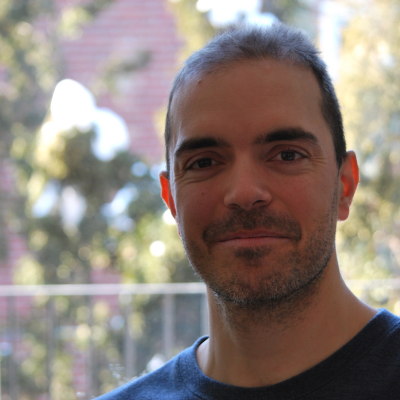
During his postdoctoral work at The Neuro, Carl studied the major Amyotrophic Lateral Sclerosis disease gene C9ORF72. Through an antibody validation pipeline that he developed, Carl characterized all known C9ORF72 commercial antibodies and found that the most cited antibody does not recognize the protein in any application, but had been cited in dozens of papers cited thousands of times. Carl and Peter McPherson are further developing the pipeline as a technology solution, along with a sustainable business model, to address the antibody liability crisis. The technology platform, called the NeuroSGC Antibody Characterization Platform, is now being formally implemented at The Neuro through the creation of an Antibody Characterization Group. This group functions in partnership with ten leading antibody/KO cell manufacturers who are distinguished by a commitment to reagent quality and contribute significant cash and in-kind resources to the initiative.

Peter McPherson is a Distinguished James McGill Professor of Neurology and Neurosurgery at the Montreal Neurological Institute of McGill University. He received a Ph.D. in Neuroscience from the University of Iowa working with Dr. Kevin P Campbell and performed post-doctoral training with Dr. Pietro De Camilli at Yale. His laboratory uses biochemical, cell biological, molecular biological and structural approaches to identify and functionally characterize proteins regulating membrane trafficking in the endosomal system. He has published pioneering papers using subcellular proteomics to study the molecular make up of endosomal membranes and has identified numerous links between endocytic membrane trafficking and neurological disease including ataxia, ALS and epileptic encephalopathy. His laboratory has developed approaches for antibody production and validation. Dr. McPherson is a Fellow of the Royal Society of Canada.
The McPherson laboratory uses biochemical, molecular, structural, genetic and cellular approaches to identify and functionally characterize proteins that operate in the formation of clathrin-coated vesicles (CCVs). CCVs are the major vehicles for endocytic uptake of multiple protein and lipid cargo including nutrient and signaling receptors. Following endocytosis, cargo is delivered to endosomes from where it either recycles back to the cell surface or is targeted to lysosomes for degradation. These sorting decisions control the localization and levels of proteins and are altered in cancer and neurological disease. For example, current projects in the lab reveal how disruption in transport of selective cargo from endosomes to the cell surface contributes to the development of glioblastoma and breast cancer.
McPherson's laboratory previously used subcellular proteomics (subcellular fractionation coupled to high throughput mass spectrometry) to identify the full complement of proteins that define CCVs from several tissues. A significant number of the proteins identified were uncharacterized open-reading frames. McPherson's laboratory has characterized the function of a number of these novel proteins although a significant number remain unstudied. One recently identified protein contains a module called a DENN domain. McPherson and his colleagues have demonstrated that DENN domains function enzymatically as guanine-nucleotide exchange factor to activate small GTPase of the Rab family. There are minimally 26 DENN domain proteins in the human genome and an important area of study in the laboratory involves the relationship of these proteins to the ~70 Rabs that function in membrane traffic. One particularly striking example is C9orf72, a DENN domain protein of unknown function. A mutation in C9orf72 is the most common cause of genetic forms of amyotrophic lateral sclerosis (ALS) and the laboratory is working to understand the relationship between endosomal membrane trafficking and disease pathogenesis.
Other proteins identified and or studied in the McPherson laboratory have been linked to other neurological diseases including Huntington disease, autosomal recessive spastic ataxia of Charlevoix-Saguenay (ARSACS), and Parkinson disease (PD). For example, we recently demonstrated that the major PD gene LRRK2 binds to clathrin and functions in endosomal membrane trafficking. Moreover, we showed that ARSACS shares pathophysiology with PD. In fact, alterations in the regulation of membrane trafficking is emerging as a central theme in neurodegenerative diseases. Understanding the cell biological basis of neurological disease is a new focus of the laboratory.
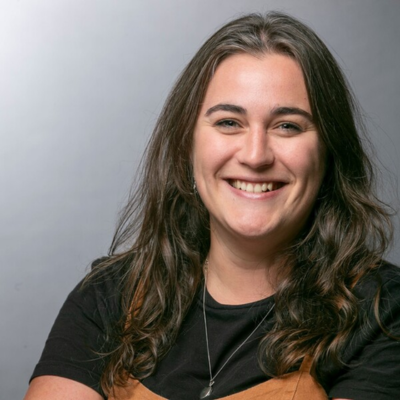
Dr. Harding is an Assistant Professor in the Faculty of Pharmacy, is a Principal Investigator at the Structural Genomics Consortium and is also cross-appointed to the Department of Pharmacology and Toxicology, all at the University of Toronto. Dr. Harding completed both her undergraduate (MBiochem) and graduate (DPhil) studies at the University of Oxford, the latter training in the lab of Dr. Susan Lea. Dr. Harding moved to the University of Toronto for her postdoctoral training in the lab of Dr. Cheryl Arrowsmith. Dr. Harding was awarded the prestigious Huntington’s Disease Society of America Berman-Topper Family Career Development Fellowship for her research on the structure-function of the Huntington’s disease protein, huntingtin, work that has continued into her independent research career. Her contributions to the field of Huntington’s were further recognised with her award of the 2024 Nancy Wexler Young Investigator Prize, an honour bestowed upon a researcher whose work reflects the highest calibre of excellence, diligence and creative thinking.
Dr. Harding's team uses structural biology, protein biochemistry and chemical biology to study the molecular mechanisms of pathology of repeat expansion disorders, with a primary focus on Huntington’s disease. Huntington’s is a devastating, incurable, genetic, neurodegenerative disease caused by a CAG-tract expansion in the Huntingtin gene. The group is concentrated on three key areas: 1) defining the structure-function relationship of the Huntington’s disease protein, huntingtin, and how this is altered by the disease-causing mutation; 2) molecular mechanisms of repeat expansion disorders like Huntington’s; and 3) development of chemical tools targeting understudied proteins and targets of interest for Huntington’s disease drug discovery.
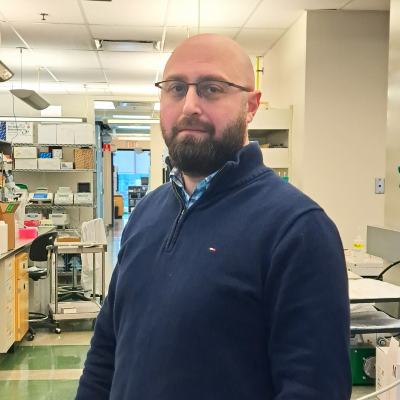
Dr. Levon Halabelian, PhD is an Assistant Professor at the Department of Pharmacology and Toxicology, UofT, and Principal Investigator in structural biology at the SGC-Toronto. His research focuses on using x-ray crystallography and chemical biology tools to uncover the structures, functions, and therapeutic potential of the human WD-repeat (WDR) domain-containing proteins, one of the largest human protein families and highly enriched in disease-associated proteins. He is involved in structure-guided chemical probes and drug discovery efforts including the novel revolutionary PROTAC drug modality. Many of these projects are in collaboration with the pharmaceutical industry and AI-based drug-discovery groups from academia and industry. Dr. Halabelian is also the interim leader of SGC’s new open science TEP program in Women’s and Children’s Health funded by the Gates Foundation.
My group is interested in using the structural and chemical biology tools to uncover the structures and functions of human WD-repeat (WDR) proteins that are often associated with diverse human diseases, including neurodegenerative diseases and cancer. WDR domains comprise an emerging class of druggable protein modules and we seek to develop chemical biology tools to elucidate the function and therapeutic potential of select members of this family, such as LRRK2 and WDR41, which are associated with Parkinson’s disease and amyotrophic-lateral sclerosis (ALS), respectively. We are also interested in targeting key components of the ribosomal biogenesis pathway (WDR12, WDR55) for cancer therapy, which is becoming more attractive as promising findings emerge. Furthermore, many WDRs constitute the substrate recognition domain of E3-ligases, and we are interested in identifying small-molecule handles for the development of proteolysis-targeting chimeras (PROTACs) for targeted protein degradation. My team has also actively contributed to the characterization of other human proteins including DNA-repair proteins (HMCES), tRNA-modifying enzymes (PUS7), protein Arginine methyltransferases (PRMTs) involved in epigenetic regulation and ubiquitin-specific proteases (USP9X).

Dr. Dalia Barsyte-Lovejoy, PhD, is an Associate Professor at the Department of Pharmacology and Toxicology, University of Toronto, Principal Investigator at the SGC-Toronto, and Affiliate Scientist at the Princess Margaret Cancer Center. Dr. Barsyte-Lovejoy did her undergraduate training at Vilnius University and her graduate degree in molecular biology at the University of Manchester, UK. She went on to do postdoctoral training at the Ontario Cancer Institute in cancer biology and transcriptional regulation. Dr. Barsyte-Lovejoy's research has been recognized by the prestigious CIHR Young Cancer Researcher award.
Dr. Barsyte-Lovejoy’s research focuses on understanding posttranslational modifications associated with splicing, epigenetic regulation, and proteostasis. Working on enzymes responsible for these modifications, we seek to identify cancer vulnerabilities, disease mechanisms, and therapeutic targets, and to develop novel small-molecule inhibitor chemical probe tools.
We are interested in understanding the mechanisms by which posttranslational modifications control cancer cell growth, differentiation, and therapeutic response. Protein lysine and arginine methyltransferases regulate transcription, genome stability, splicing, RNA metabolism, and other cell processes dictated by which substrates these enzymes methylate. Lysine methyltransferases such as EZH2 and NSD2 primarily methylate histones to establish repressive and active chromatin. In contrast, arginine methyltransferases have a broad substrate range, including histones, signaling molecules, enzymes, and structural proteins. Protein methylation, along with other modifications such as ubiquitylation, also plays important roles in splicing, protein-protein interactions, and cellular signaling and stress response, which cancer cells hijack to escape cell death and acquire drug resistance. Our work seeks to understand how these posttranslational modifications are misregulated in cancer and identify new therapeutic targets.
Through multidisciplinary research spanning cell and chemical biology, protein structural biology, and numerous collaborations with colleagues across industry and academia, the SGC chemical probes project has generated an extensive set of chemical probes for methyltransferases, ubiquitin ligases, and deubiquitylases. We are currently using these chemical probes to explore the cellular pathways in poor-prognosis acute myeloid leukemia, pancreatic, lung, and breast cancer.
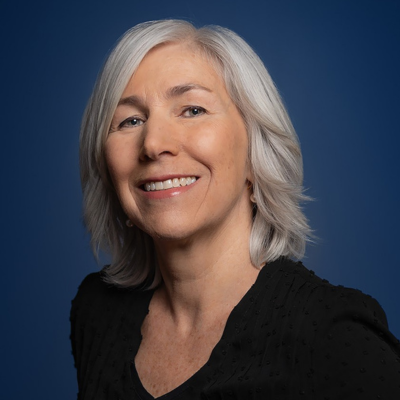
Cheryl Arrowsmith is a Senior Scientist at the Princess Margaret Cancer Centre, Professor in the Department of Medical Biophysics, University of Toronto, and the Chief Scientist of the Structural Genomics Consortium (SGC) at the University of Toronto. Her research focuses on the structural and chemical biology of chromatin and epigenetic regulatory factors especially as relates to cancer and drug discovery. In partnership with major pharmaceutical companies, she leads the SGC’s international open science program that is developing and distributing unencumbered Chemical Probes that support the discovery of new medicines. She received her Ph.D. from the University of Toronto and carried out postdoctoral research at Stanford University, and was co-founder of Affinium Pharmaceuticals, which developed a new medicine for multidrug resistant bacteria. She has published over 300 research articles and was recognized by Clarivate Analytics as being among the worlds top 1% of highly cited scientists in 2018, 2019 and 2022. She was elected an AAAS Fellow (2015), and a Fellow of the Royal Society of Canada (2020).